 FR-CA
 FR-FR
Discover our case studies
Are you wondering if our interactive digital solution is suitable for your field reality?
Thanks to its great versatility, it integrates easily into many sectors such as tourism, culture, museums, cities, events and much more!
To help you concretely evaluate its relevance for your organization, discover our selection of case studies highlighting projects carried out with our clients. These examples illustrate how our platform enables the creation of interactive visitor experiences, accessible via QR codes, NFC or mobile web links, without technical complexity.
Use the search bar to find projects according to your sector of activity or explore the different themes using the suggested tags.
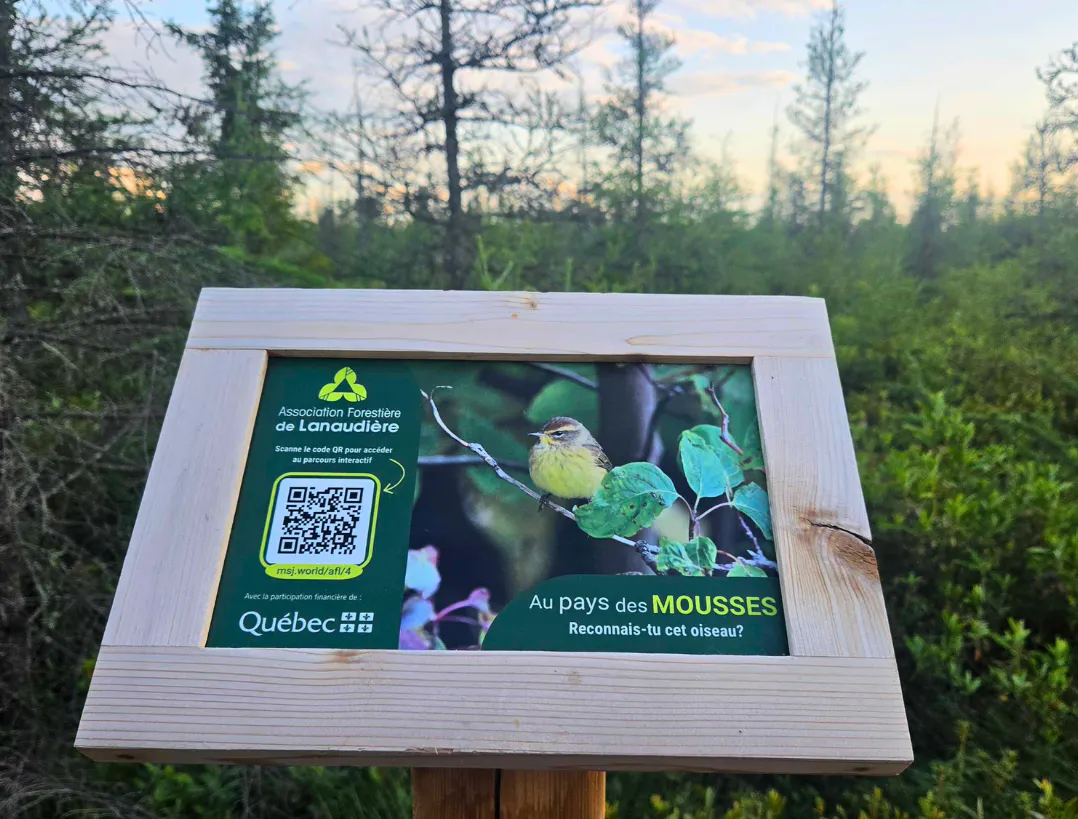
The Lanoraie Peatlands: Making a little-known ecosystem accessible
The organization responsible for the Lanoraie peatlands, in the Lanaudière RCM, wanted to raise public awareness about this ecosystem. A peatland cannot be summed up in just a few minutes: it is a unique wetland with its own distinct functioning and specific flora and fauna. Without guidance, the essentials go unnoticed. There was a need for science content presented in layman’s terms, capable of appealing to both nature enthusiasts and families passing through.
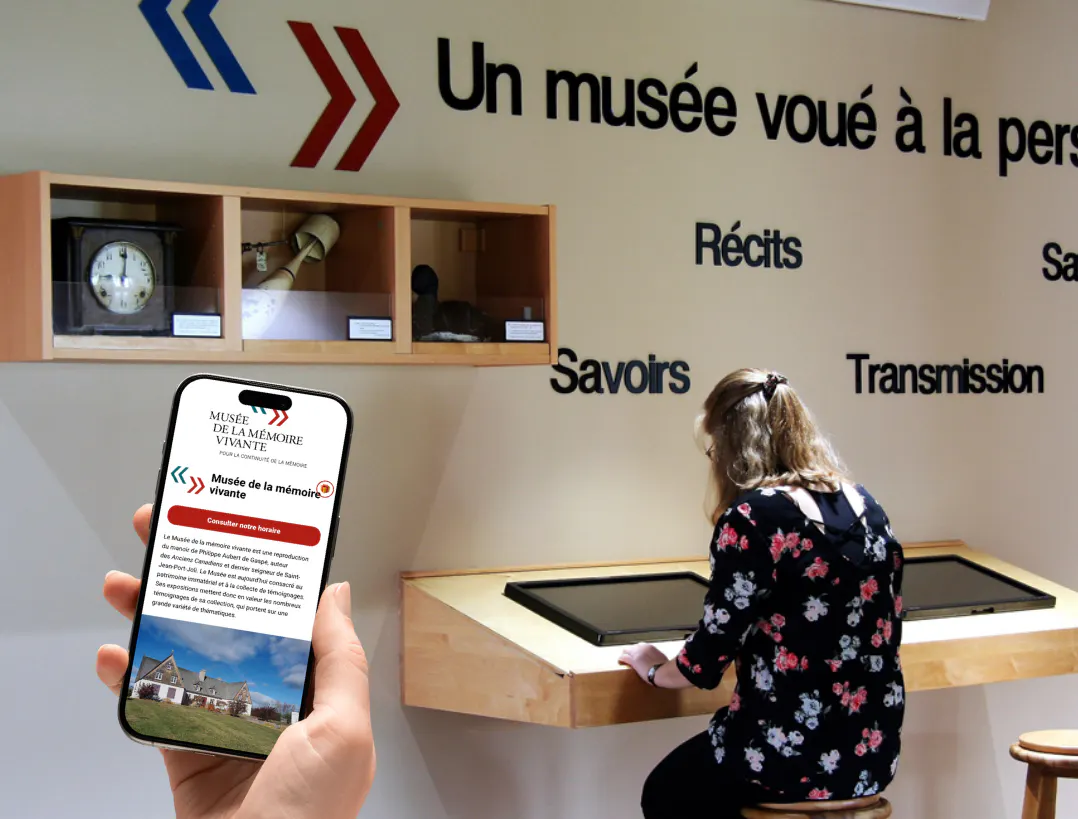
The Museum of Living Memory Presents Heritage in a Different Way
The Musée de la Mémoire Vivante, located in Saint-Jean-Port-Joli, wanted to enhance the visitor experience and strengthen its mission to preserve memory and heritage. The challenge was to provide visitors with easy access to supplementary content about the exhibits, while highlighting the museum’s surroundings and landscapes, without making the tour feel overwhelming.
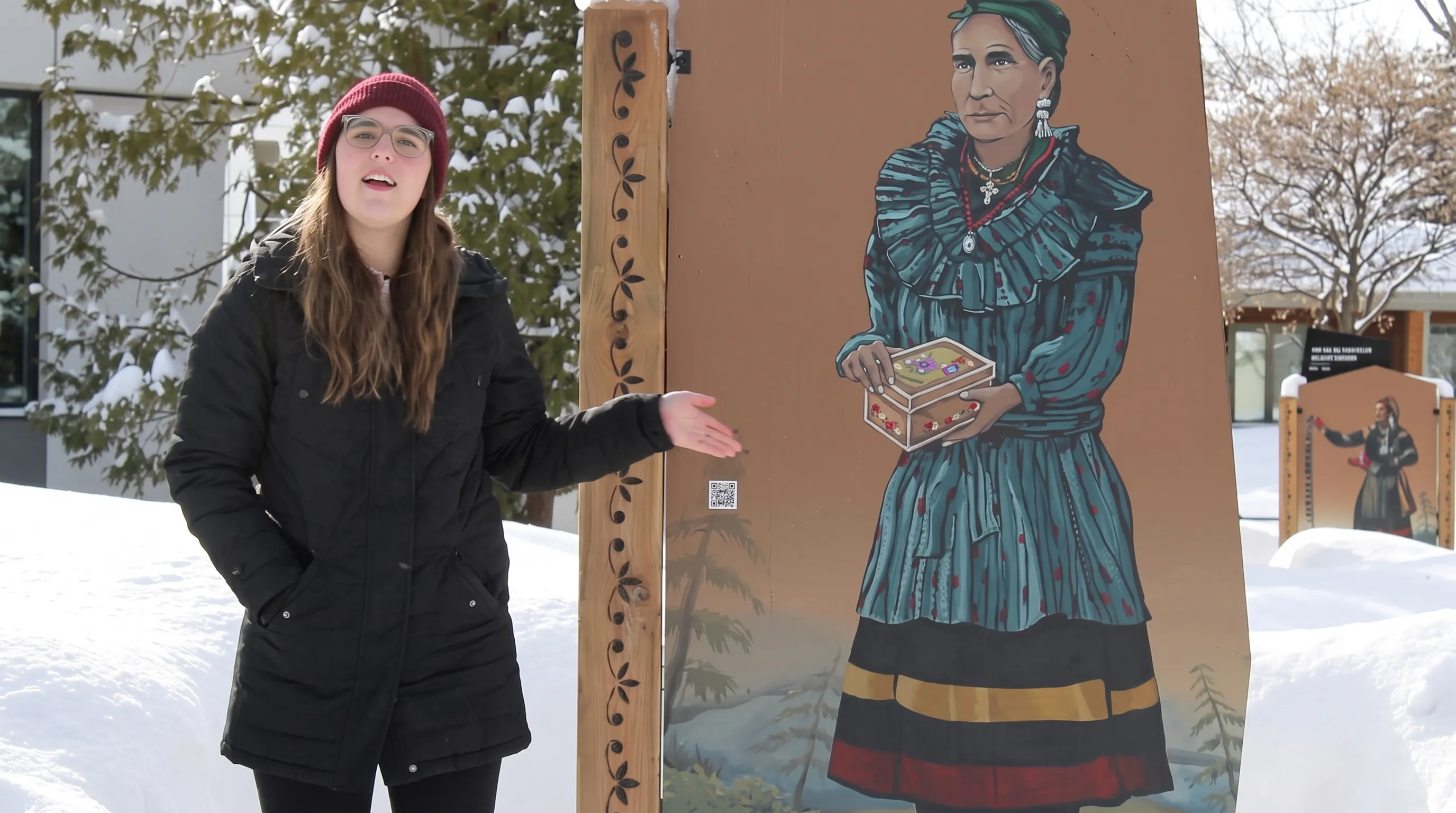
Huron-Wendat Museum: Highlighting Prominent First Nations Figures Through Digital Technology
How can we tell the stories of figures who advanced their nation’s cause without limiting ourselves to a few lines on a sign? This is the question the Huron-Wendat Museum in Wendake sought to answer by choosing to highlight two prominent figures of the Wendat Nation right where they once lived.
For Canadian Heritage Day, the museum unveiled a new project in the gardens of the Tsawenhohi House: Marguerite Vincent Lawinonkié and Nicolas Vincent Tsawenhohi, two historically significant figures for First Nations. Nicolas Vincent Tsawenhohi, an expert on Wendat territory, was also a skilled diplomat: he defended his nation’s rights before the British Crown. Marguerite Vincent, for her part, was a renowned artisan who contributed to the economic revitalization of Wendake.
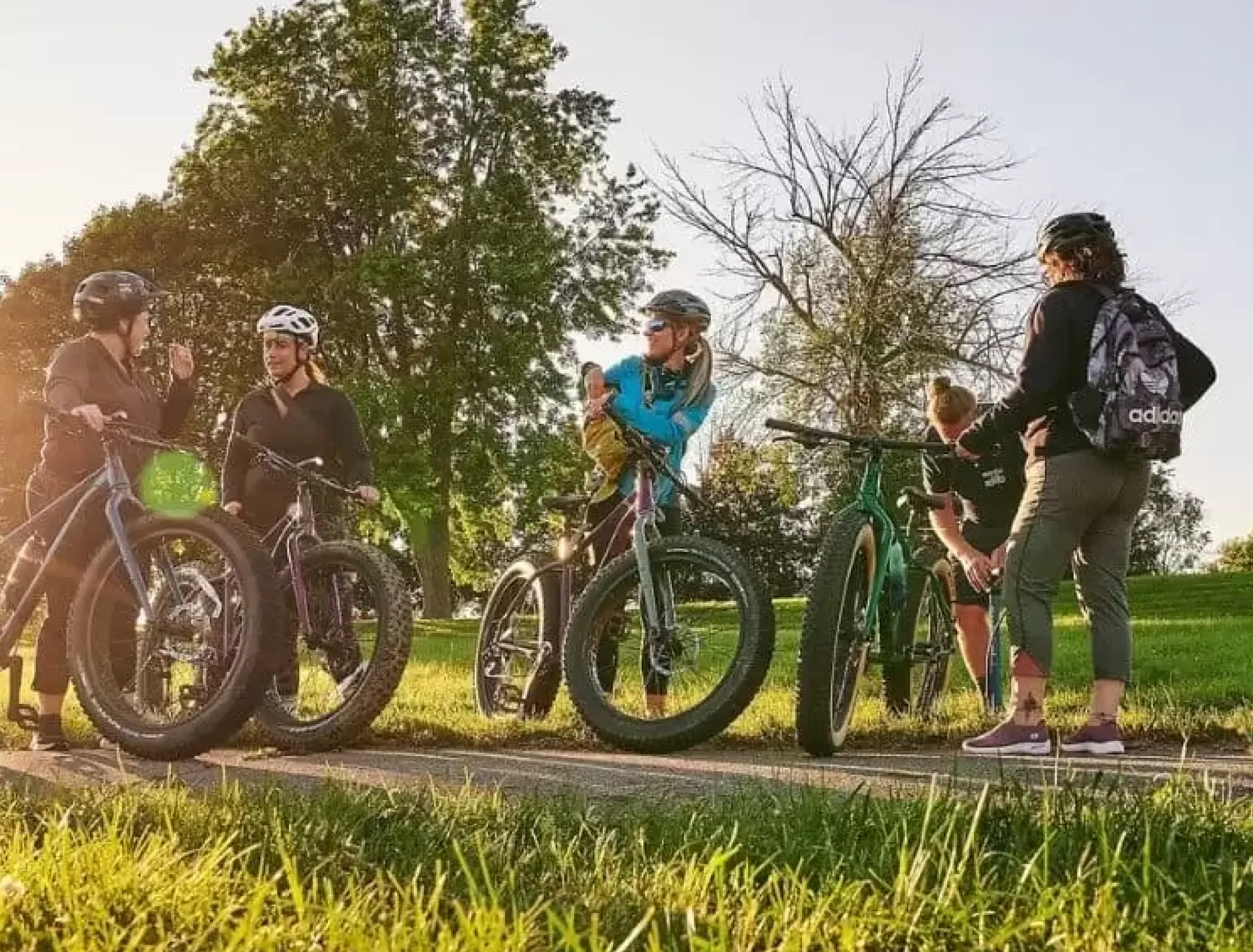
Discover the Soulanges Canal in a Different Way
The Soulanges Canal, located in the Vaudreuil-Soulanges RCM, is a major heritage site in Quebec’s history of navigation and maritime trade. Yet, despite its importance, its history remained largely unknown to the general public and difficult to convey in a lively and engaging way.
The MRC wanted to tell the canal’s story in a new way, moving beyond a strictly informative approach to include anecdotes, historical facts, and personal accounts; offer a modern, interactive experience accessible to both residents and tourists; and create a tool capable of adapting to various formats (signs, banners, bike tours) without requiring heavy infrastructure.
Jean-Drapeau Park is reusing its interactive platform to celebrate an event
During the summer of 2025, Parc Jean-Drapeau wanted to celebrate the 25th anniversary of the Mosaïcultures Internationales de Montréal by showcasing three iconic works permanently installed in the Jardins des Floralies. The goal was to make the experience accessible, interactive, and enriching for visitors, while building on the existing “Le Voyage des Îles” trail.
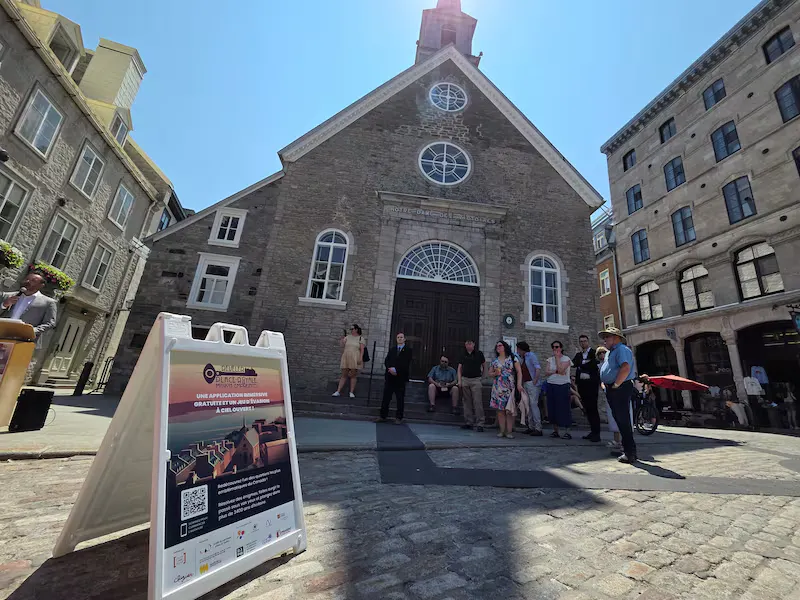
Îlot des Palais: Discover Place-Royale with MySmartJourney’s augmented reality module
Place-Royale, the cradle of French America, welcomes thousands of visitors each year in the heart of Old Quebec. But 3,400 years of human occupation are not visible to the naked eye: the buildings, landscapes, and developments that shaped the site have largely disappeared, making it more difficult to interpret its evolution.
L’Îlot des Palais, in collaboration with the Société du patrimoine urbain de Québec (SPUQ), wanted to enable visitors to travel back in time right there on the site. Already a MySmartJourney client for several cultural outreach projects, the organization once again chose the platform for this project, alongside the Musée de la civilisation, the firm Freemick Aventure, AVEC Architectes, and the Laval University School of Architecture.
The team led by Professor François Dufaux and lecturer Pierre Olivier Bureau-Alarie devoted more than 3,000 hours to cross-referencing old maps, engravings, and archival records to reconstruct buildings that no longer exist, right back to their earliest forms.
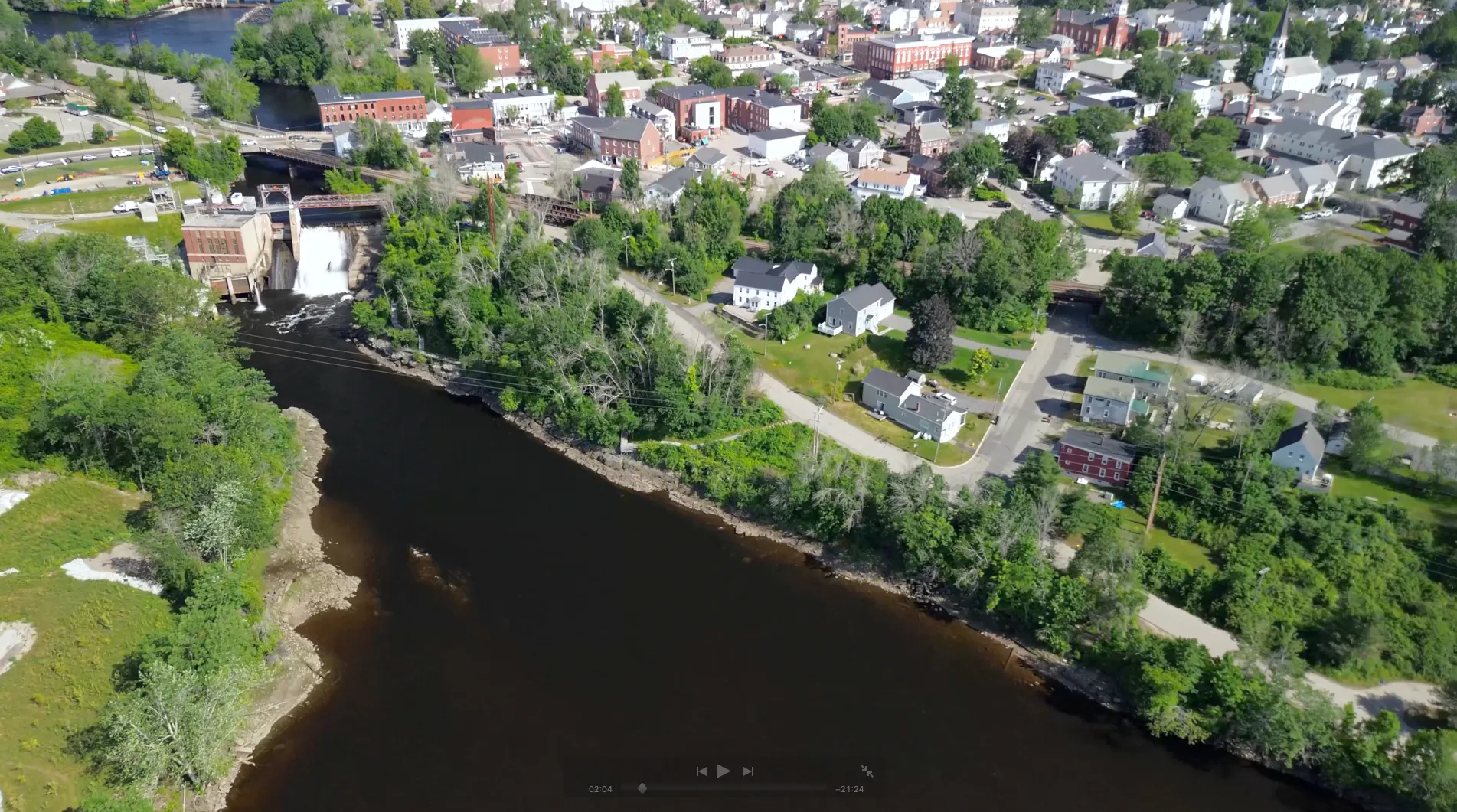
Saco Main Street is launching a community-driven and inclusive initiative
The Saco River is at the heart of the local identity: it has driven the city’s economy, shaped its culture, and continues to be a place for recreation and community life.
But beyond its heritage and ecological value, Saco Main Street wanted the digital outreach project to have a tangible social impact on the community. The idea was to make the interactive walk a tool for cultural enrichment, education, and community solidarity.
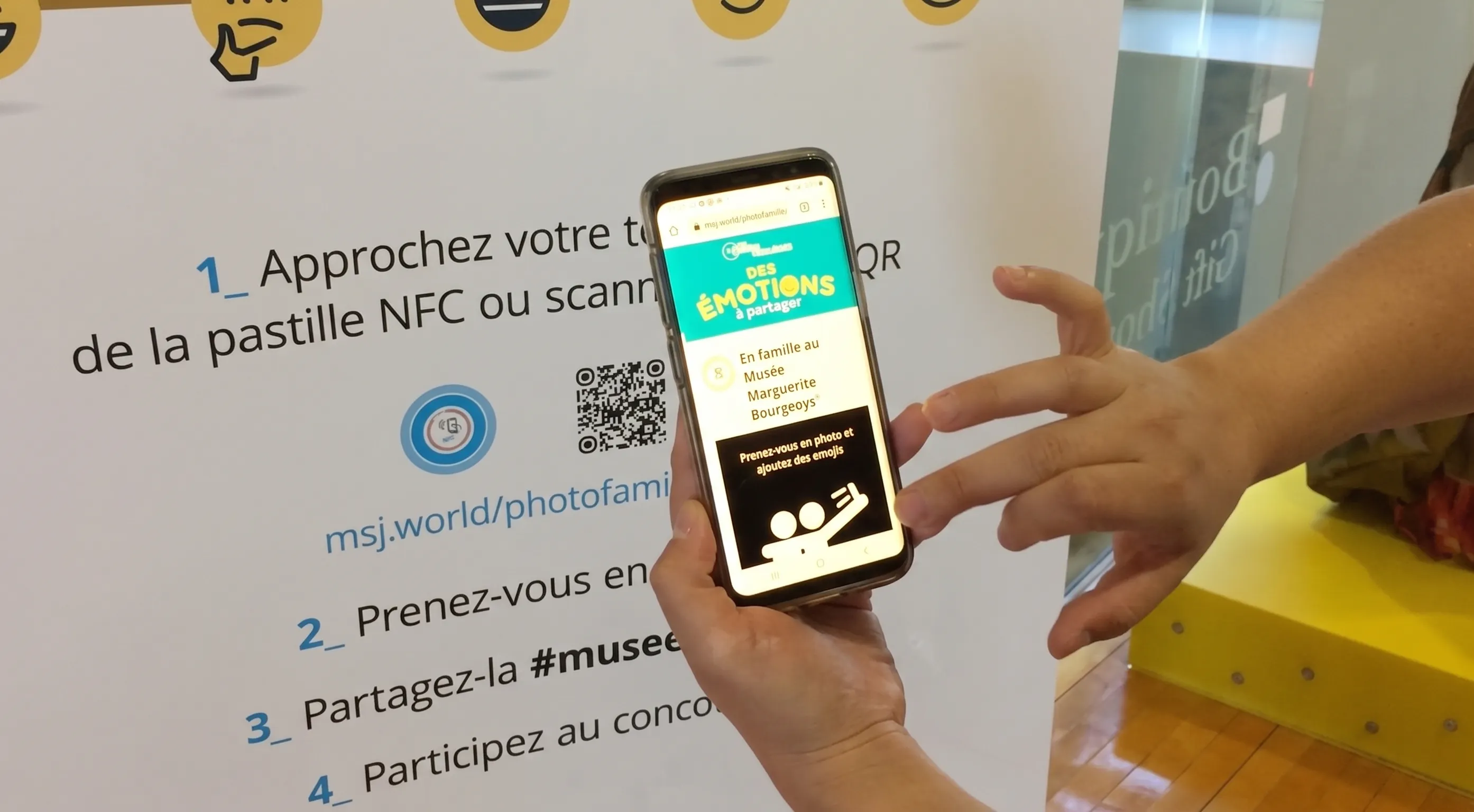
A Virtual Photo Booth in Quebec Museums: MySmartJourney’s Project with the Société des musées du Québec (SMQ)
In 2019, the Société des musées du Québec (SMQ) commissioned MySmartJourney to test a virtual photo booth in 11 museums across the province. It was used as part of the “Les musées du Québec: des émotions à partager” campaign, which received an Award of Excellence from the Canadian Museums Association.
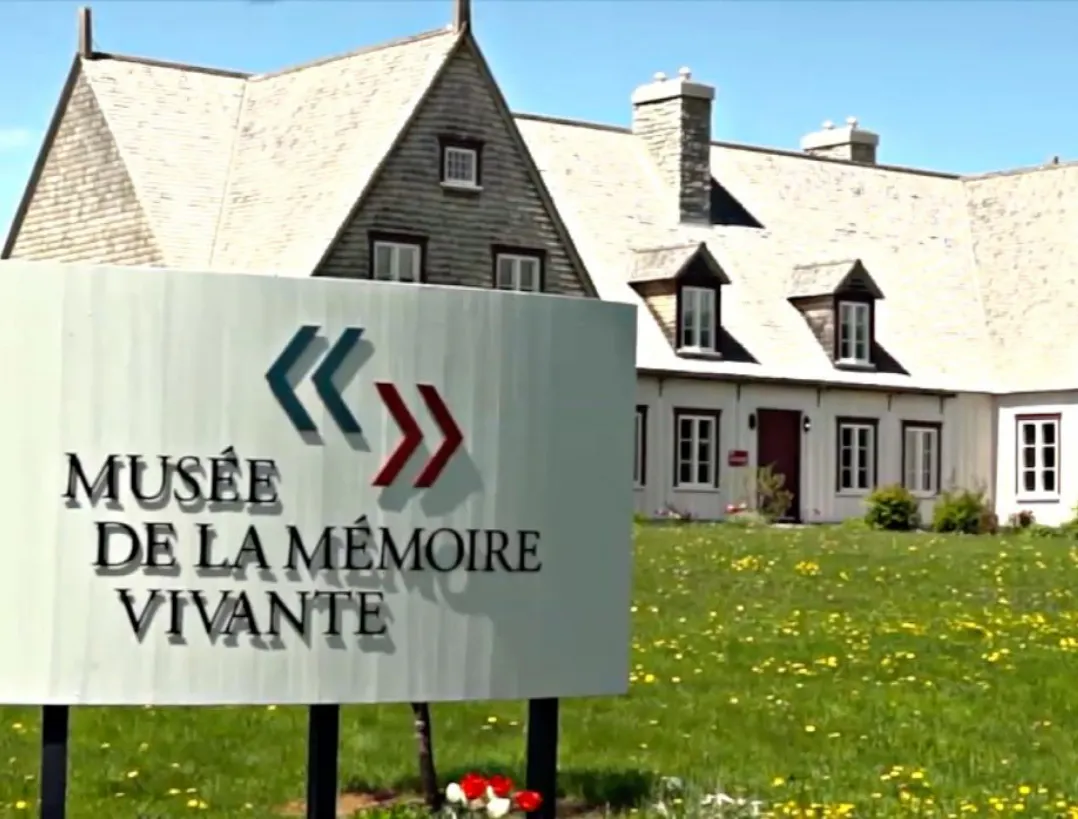
The Museum of Living Memory encourages donations through a prominent call to action
The Living Memory Museum sought to support its mission of preserving and passing on cultural heritage, while making it easier for visitors to make financial contributions. The challenge was to incorporate a discreet yet effective call for donations that would not disrupt the visitor experience and would be accessible both on-site and remotely.
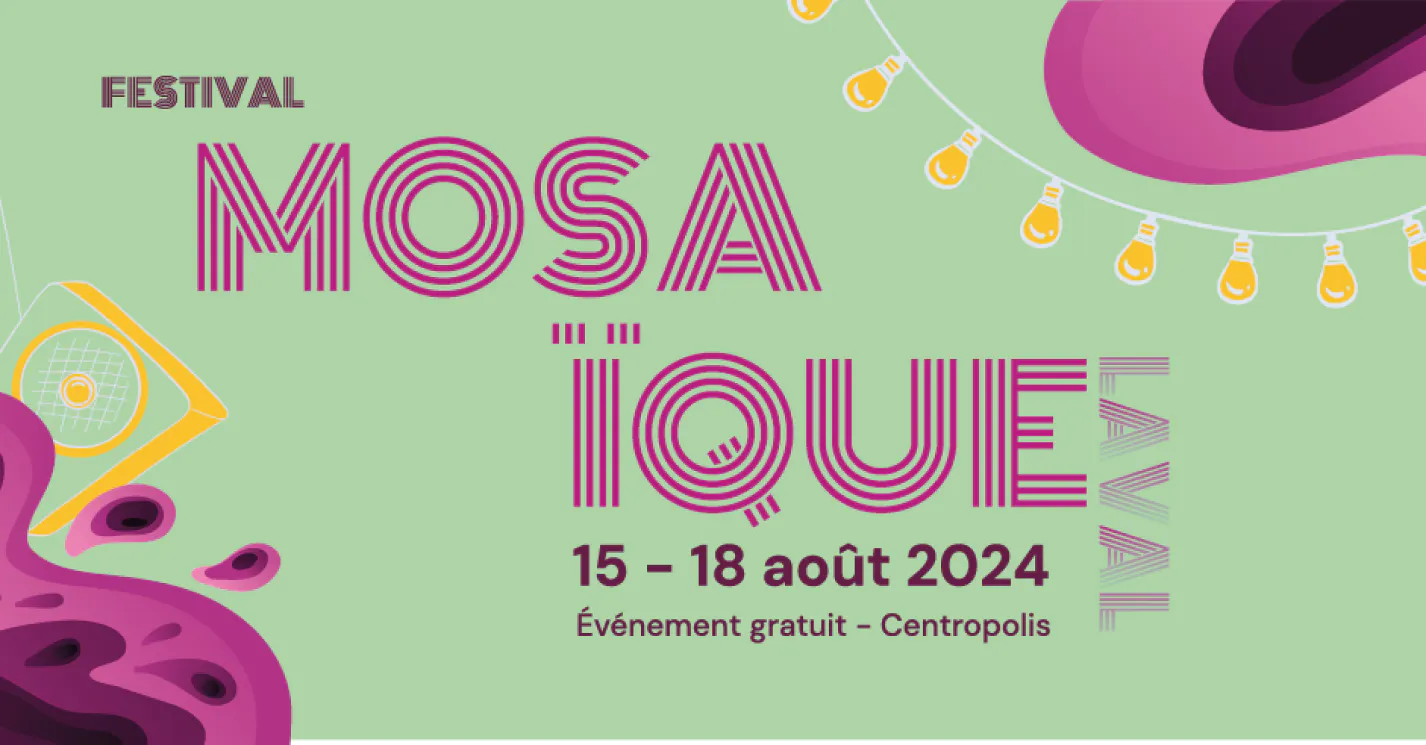
The Artists' Center helps visitors find their way around the Mosaïque Festival
How can you help visitors navigate a rich and diverse festival spread across multiple activity zones? For its 2024 edition, the Mosaïque Festival wanted to make its program easier to understand. The event team also wanted to make it easy for the public to plan their visit. The goal: to streamline the experience from the moment visitors arrive and showcase all the participating artists.